
Santiago de Chile in 3 Days: What to See and Do
The capital of Chile and one of the most important cities in this fascinating country, Santiago is a cosmopolitan city with countless attractions and a breathtaking natural setting. Its size makes it perfect for a 3-day itinerary through Santiago de Chile — here we'll help you discover the most special places you simply can't miss on this trip.
Santiago de Chile Free Walking Tour
Valparaíso Essential Free Walking Tour
Barrio Yungay Free Walking Tour
The best way to get around the city is by metro, which makes visiting Santiago incredibly easy. The city's metro is one of the most modern in South America, with stops at all the most iconic landmarks.
Santiago de Chile in 3 Days: Day 1 — Historic Centre
The first day in this fascinating city is all about exploring the centre of Santiago. Its historic heart is where you'll find the greatest atmosphere and energy of the city, along with some of its most iconic buildings, the cathedral and numerous beautiful squares.
Free Tour of the Historic Centre of Santiago de Chile

A great option for the first day is to explore Santiago alongside a knowledgeable local expert. Our Essential Free Tour of Santiago de Chile lasts about two and a half hours and is the best way to get your bearings in the city, learn about its history and get first-hand recommendations for the rest of your visit.
Palacio de la Moneda

This building is an icon of the city, popularly known as La Moneda. It is the seat of Executive Power and holds great importance in the country's political history. It is the largest neoclassical building in Chile and has been declared a national monument.
Inside you'll find the Patio de los Cañones and the Patio de los Naranjos, home to the old water fountain that supplied the townspeople during the colonial era. There is also a changing of the guard ceremony well worth watching. To access the interior, you must make a reservation with your personal details on the official website.
Metropolitan Cathedral

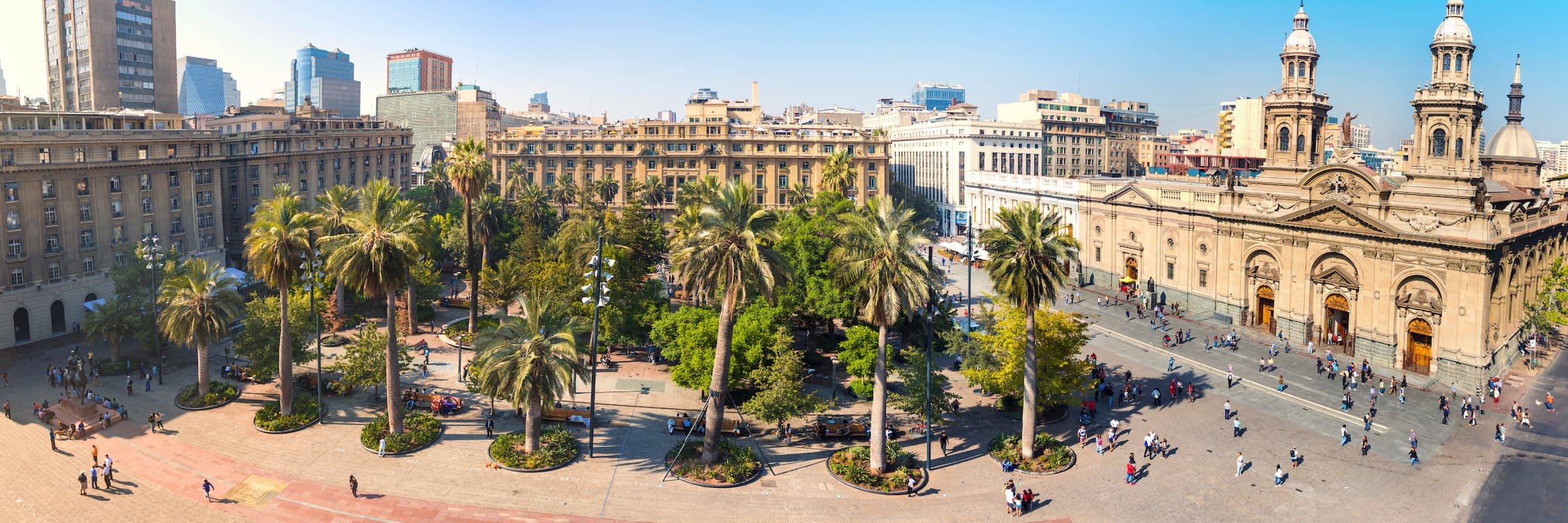
The cathedral is characterised by an eclectic style, the result of 151 years of construction during which several architects worked, each leaving their mark and bringing different trends. Its interior is breathtaking: the white marble High Altar and the organ stand out. A visit to its chapel to admire the image of the Virgin of Carmen, patron saint of Chile, is a must — entry is free.
Plaza de Armas and the National History Museum
[image: museo historico nacional santiago]
Right on the Plaza de Armas, one of the liveliest squares in the city, this museum showcases the history of Chile from pre-Columbian times. It has 15 rooms and a large collection of military pieces, archaeological remains, artworks and religious antiques that trace the footsteps of the country's ancestors. Entry is completely free.
Mercado Central

Open since 1872, this is the most important market in the city and has been declared a Historic Monument. Every day it welcomes hundreds of locals and tourists, creating a unique atmosphere. A large part of it is packed with restaurants and stalls where you can try the most typical Chilean food, with a particular focus on fish. It has been considered one of the five best markets in the world.
Municipal Theatre of Santiago
To end the day you can enjoy a show at the Municipal Theatre. Most evenings feature very interesting programmed events, ideal for immersing yourself in Chilean culture at a very reasonable price.
Santiago de Chile Free Walking Tour
Valparaíso Essential Free Walking Tour
Barrio Yungay Free Walking Tour
Santiago de Chile in 3 Days: Day 2 — Viewpoints, Museums and Bohemian Neighbourhoods
The second day is dedicated to some of the most important highlights of the city, as well as Santiago's most bohemian neighbourhood — with streets perfect for getting lost in, endless bookshops and charming spots around every corner.
Cerro Santa Lucía

This is the most visited hill in the entire city, thanks to the stunning panoramic views it offers. It is one of the most unmissable, must-see spots: the ascent is easy and free. At the summit stands the majestic Castillo Hidalgo; on Sundays, free guided tours are available.
National Museum of Fine Arts
The building dates from 1910 and is notable for its imposing façade. Entry is free and you can discover the culture of this magical city through several highly significant exhibitions. Behind it you'll also find the Museum of Contemporary Art, also free to enter — another highly recommended visit.
Pasaje Lastarria

This passageway runs through the popular Barrio Lastarria, known for its bohemian atmosphere. Getting lost in its streets is a must: discover its charming vintage shops, delightful cafés, antique stalls and street artists. One of the most enchanting places in the city.
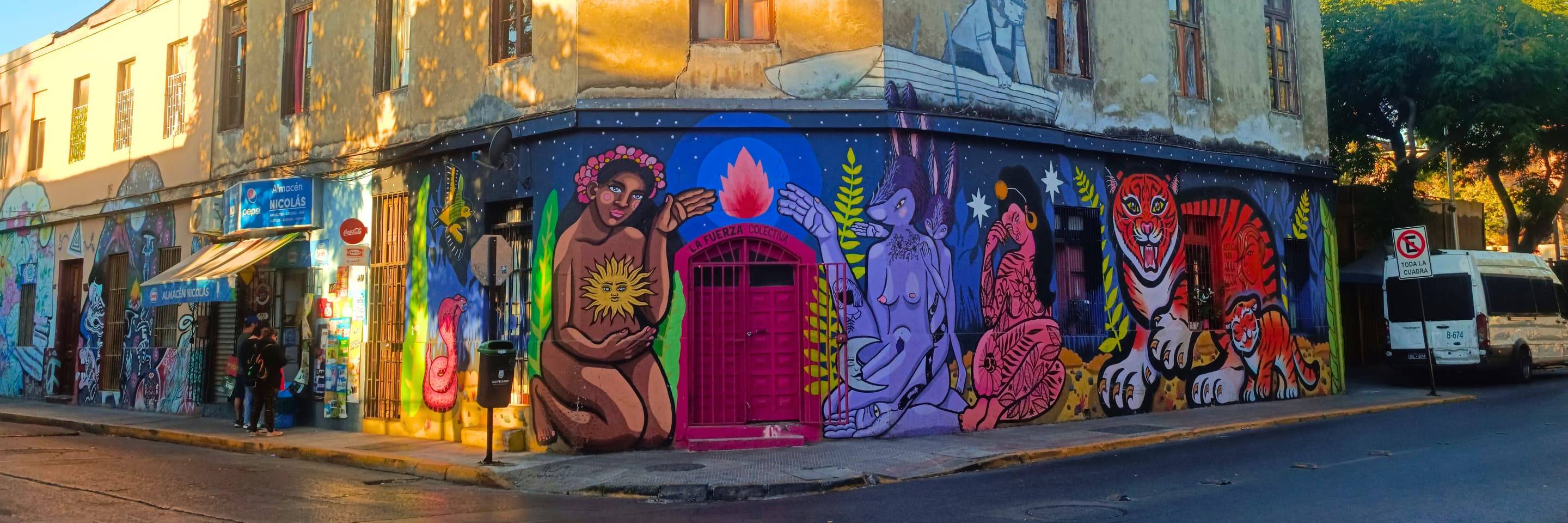
Gran Barrio Yungay

This is the largest heritage neighbourhood in the city. Stroll its streets to discover its distinctive architecture and incredibly valuable 20th-century buildings. As well as enjoying the surroundings, you can visit the famous Museum of Memory and Human Rights, unique throughout Latin America for both its architecture and content. Entry and guided circuits inside are free.
If you want to explore the neighbourhood in depth, check out our Free Tour of Barrio Yungay, a highly recommended experience.
Parque Quinta Normal
This is undoubtedly the green lung of the city. Originally, in the late 19th century, it was an agricultural experimentation centre; today it invites visitors to stroll along its paths and take a break by its lake. Inside you'll also find the Railway Museum, a very interesting place to enjoy.
Santiago de Chile Free Walking Tour
Valparaíso Essential Free Walking Tour
Barrio Yungay Free Walking Tour
Santiago de Chile in 3 Days: Day 3 — Nature, Art and the Best Views
The third day is for making the most of every moment and discovering all the corners you still have left to enjoy.
Embalse El Yeso

The landscapes and contrasts of the El Yeso Reservoir will take you by surprise. Its turquoise waters and imposing snow-capped mountains never fail to captivate thousands of tourists every year. It is located about 2 hours and 15 minutes from the capital, where you can also spot native species such as condors, eagles and even foxes.
A must-visit from Santiago if you're travelling when its peaks are snow-covered, though even out of season it remains a beautiful and special place.
Cerro San Cristóbal

After returning from the reservoir trip, head to this popular hill, one of the most iconic viewpoints in the city. It is located in the Barrio Bellavista, within the Metropolitan Park of Santiago. From there, a colourful funicular takes you up to the summit of Cerro San Cristóbal. At an intermediate stop you'll find the Santiago Zoo, and at the end of the journey a beautiful viewpoint awaits.
Casa Museo La Chascona
At the foot of Cerro San Cristóbal lies this fascinating museum. In 1953, the famous Pablo Neruda began building this house in Santiago for his secret love, Matilde Urrutia. In her honour, he named it "La Chascona", a nickname he gave her because of her abundant red hair. Today it is a house-museum dedicated to showcasing the poet's life, with an audioguide system. A 100% recommended visit.
Parque de las Esculturas
In the Providencia neighbourhood, on the banks of the Mapocho River, this park is home to more than 20 sculptures by different Chilean artists. A peaceful, relaxing place full of art, with an interesting museum at its centre. Google Earth has named it one of the most outstanding sites in Santiago. Opening hours are Monday to Sunday from 10:00 to 19:00 and entry is free.
Gran Torre Santiago

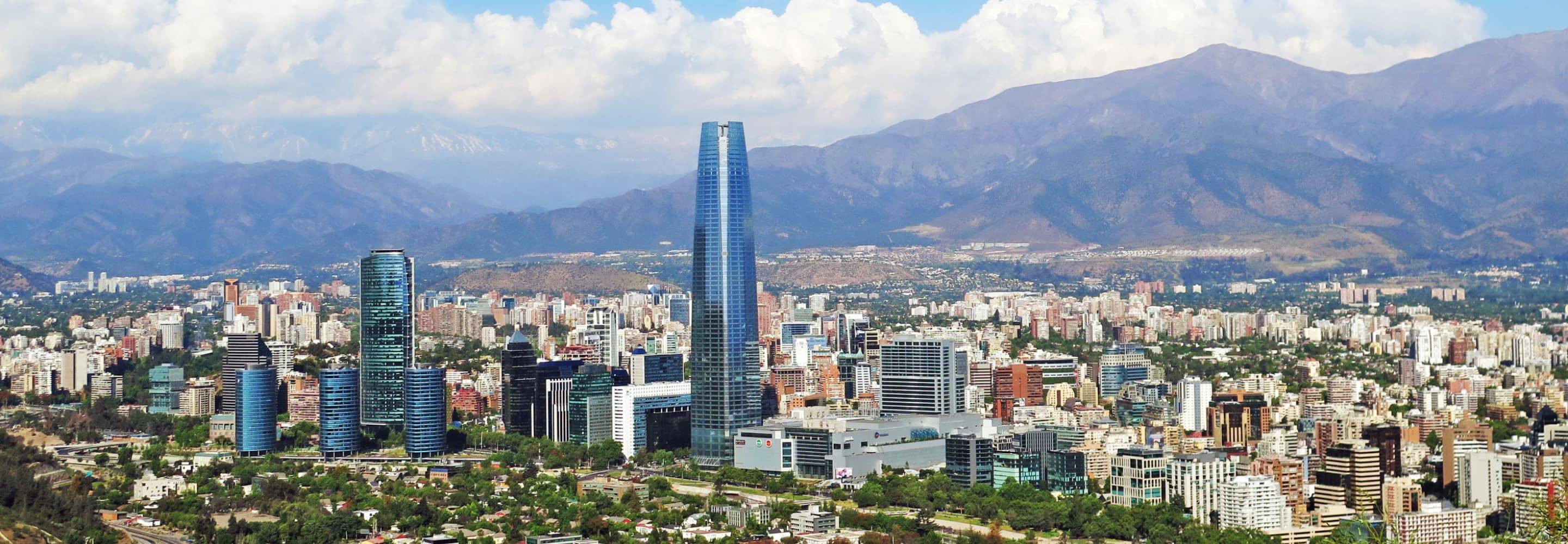
To end the day and put a magical finish to this trip, visit Santiago's most iconic building. This tower is the tallest in Ibero-America, with 62 floors and 300 metres in height, and the tallest in the entire Southern Hemisphere.
From floors 61 and 62 you'll get the best views to say goodbye to Santiago with the city at your feet: floor 61 through glass and floor 62 in the open air, with a full 360° panorama.
Day Trip from Santiago: Valparaíso

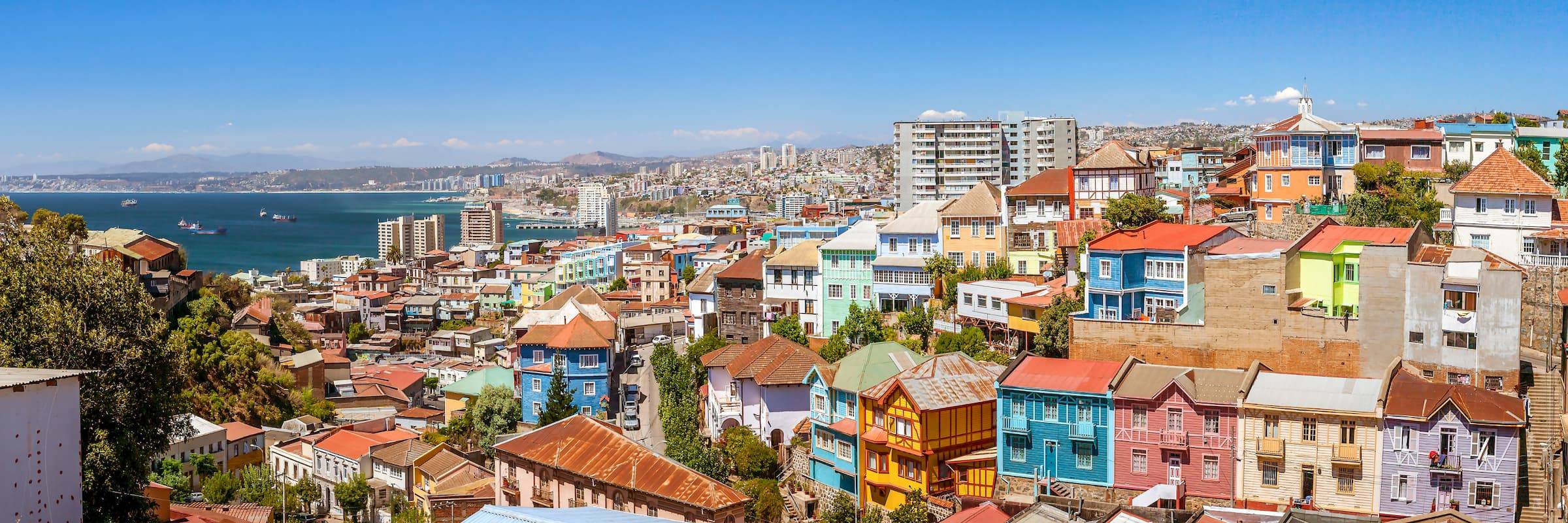
If you have an extra day or want to escape the city, Valparaíso is an unmissable destination. This colourful port city, declared a UNESCO World Heritage Site, is just 1 hour and 30 minutes from Santiago. Its famous hillside neighbourhoods, historic funiculars and vibrant street art make it one of the most special destinations in Chile. Don't miss our Essential Free Tour of Valparaíso.
What You Should Know Before Travelling to Santiago de Chile
The currency used in Chile is the Chilean peso. You can pay by credit card in most establishments, although it is also advisable to carry some cash. The official language is Spanish, which makes communicating with locals very straightforward. For Spanish citizens, a valid national ID or passport is sufficient to enter the country.
Discover all the tours and activities in Santiago de Chile and start planning your trip.
Santiago de Chile Free Walking Tour
Valparaíso Essential Free Walking Tour
Barrio Yungay Free Walking Tour