
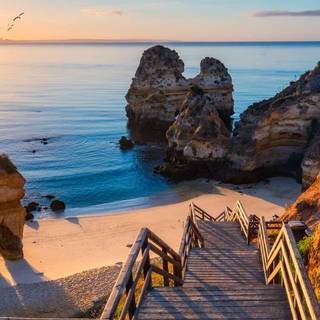
The Algarve in 3 Days: Complete Travel Guide
The Algarve is one of Europe's most spectacular destinations, famous for its crystal-clear beaches, stunning golden cliffs, delicious cuisine and warm sunsets. If you have three days to explore it, this guide will help you make the most of every moment.
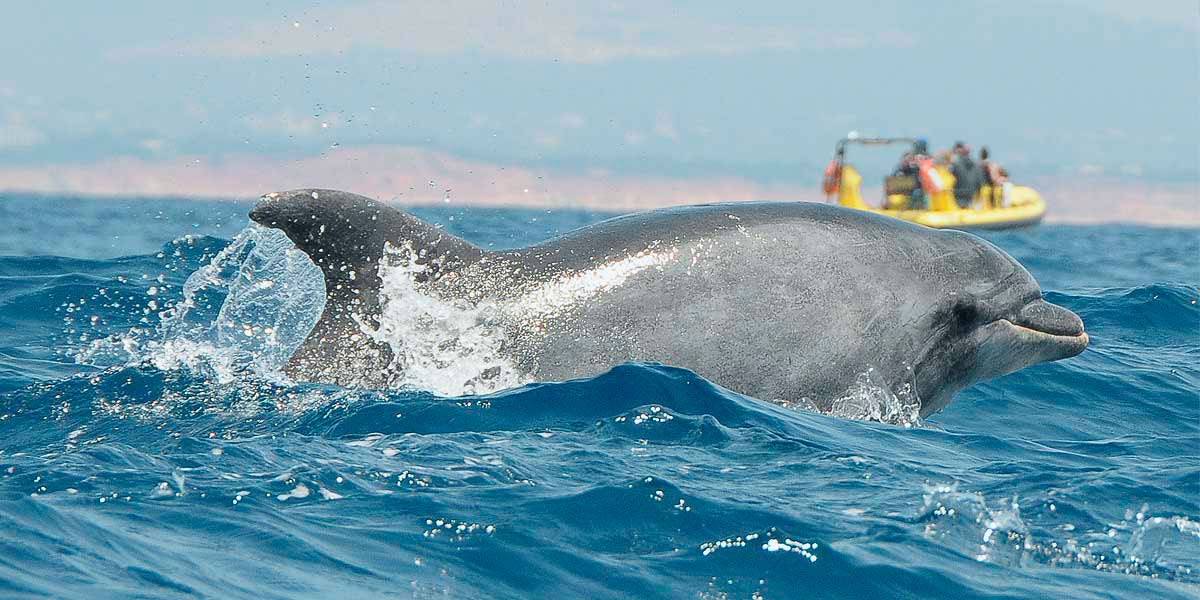
Benagil Cave Tour: Albufeira Boat Trip and Dolphin Watching
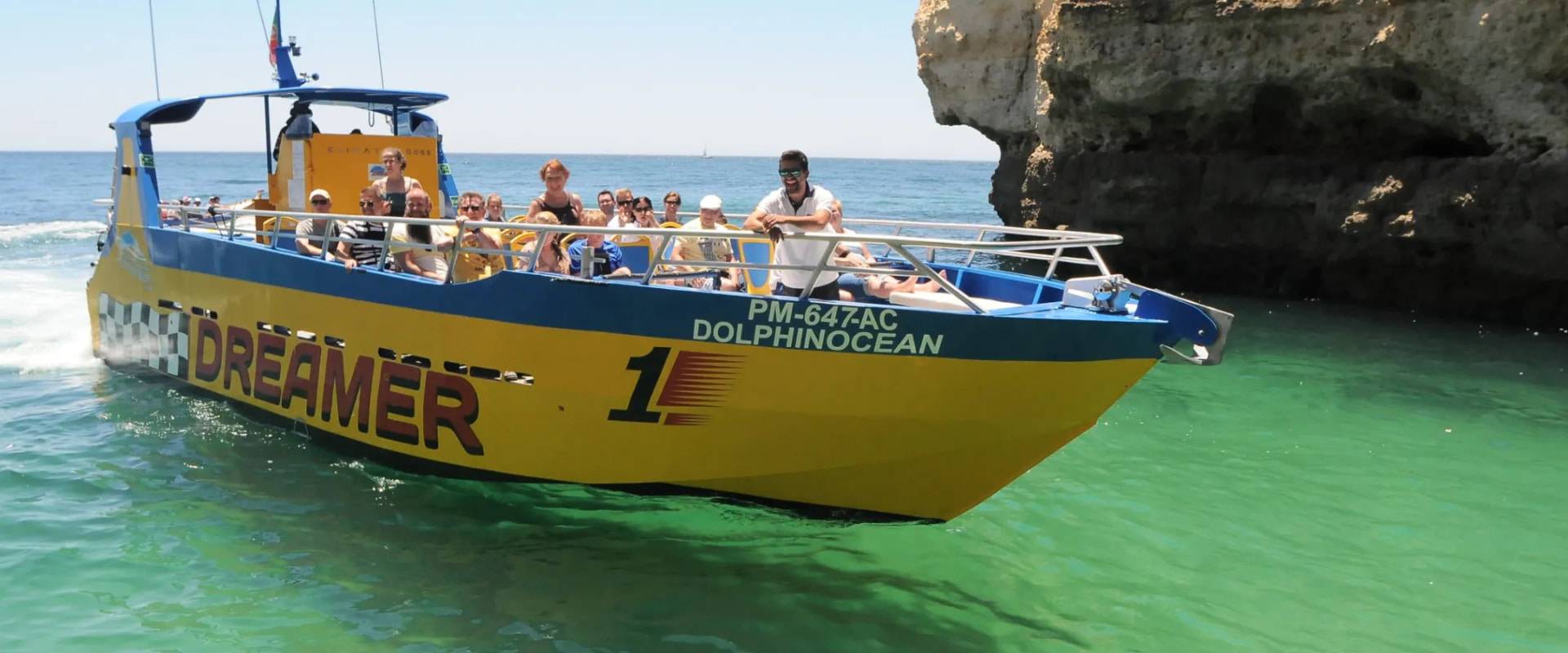
Albufeira Boat Trip: Cave Tour & Dolphin Watching on a Jet-powered boat
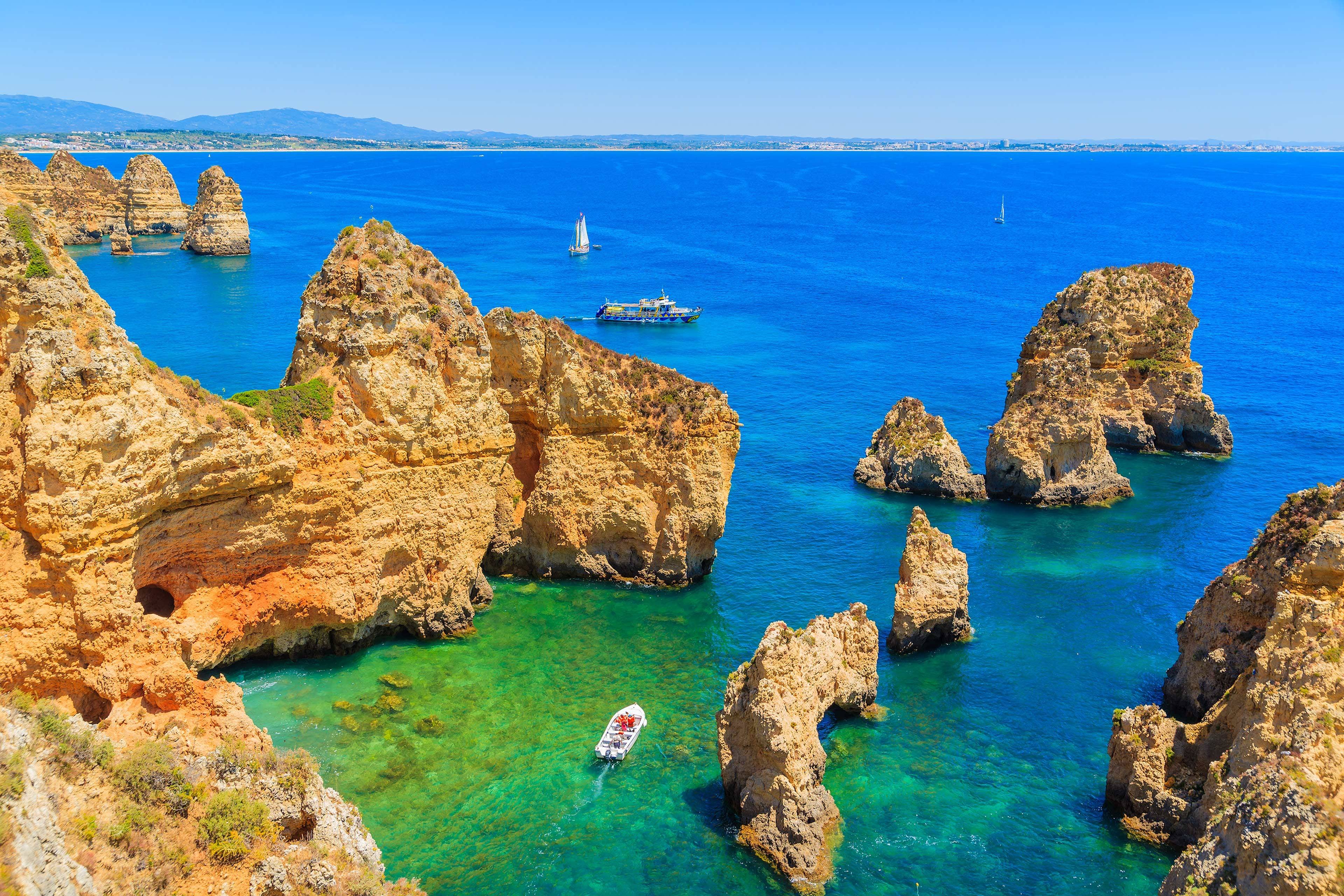
Ponta da Piedade Boat Tour: Explore Algarve's Hidden Gems
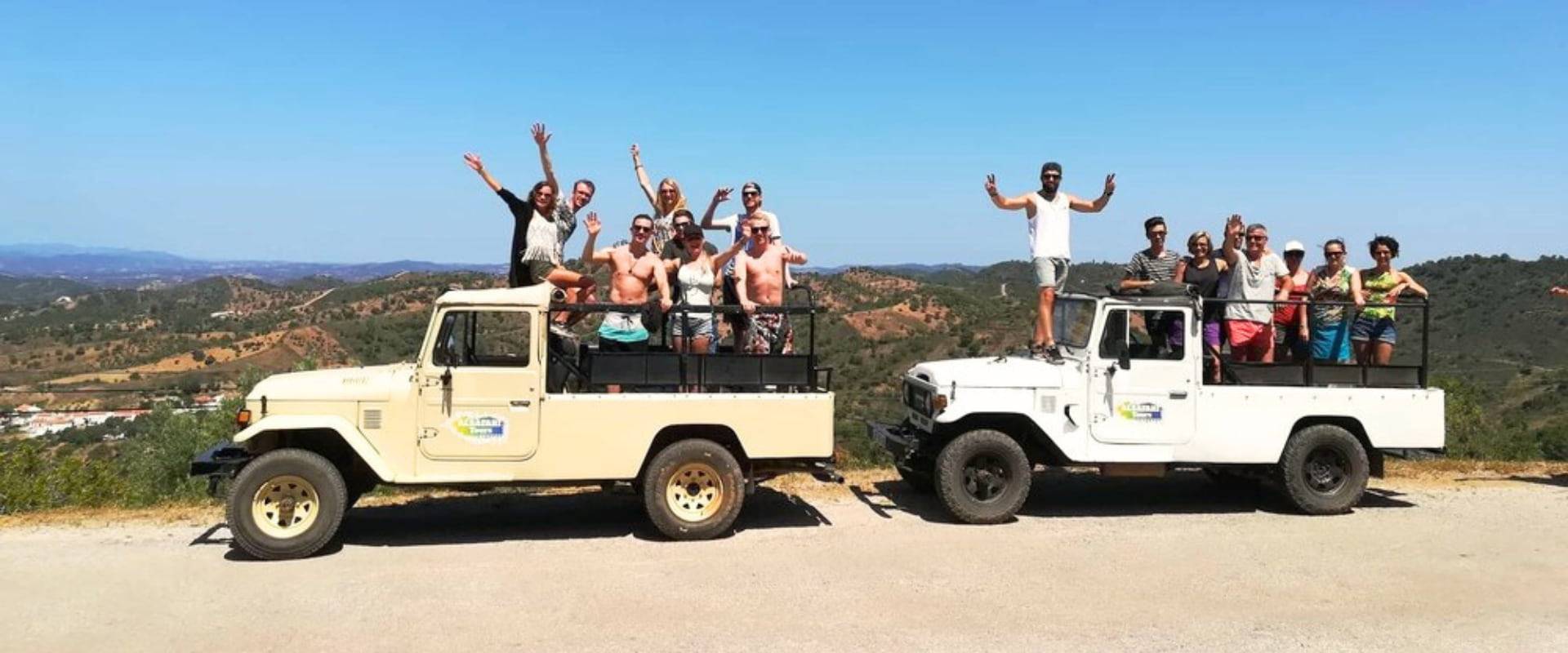
Jeep Safari Adventure in Algarve From Albufeira
The Algarve in 3 Days: Day 1 — Tavira and the Eastern Algarve
The first day is dedicated to the eastern tip of the Algarve, where you’ll find some of the most authentic villages and best-preserved natural landscapes in the entire region.
Tavira

The iconic Roman bridge of Tavira, one of the symbols of this charming Algarve village
Start your route in Tavira, one of the most charming villages in the Algarve and an unmissable stop for any traveller. Its historic centre is home to more than 30 perfectly preserved ancient churches, centuries-old monasteries and architecture that reflects hundreds of years of history. Visit the ruins of its Arab castle, stroll along cobbled streets lined with traditional ceramic-tiled facades, and cross the famous Roman bridge to take in the views over the Gilão river.
Ria Formosa Natural Park

The Ria Formosa Natural Park from the air: a unique ecosystem of marshes, lagoons and barrier islands in the eastern Algarve
Just a few kilometres from Tavira stretches the Ria Formosa Natural Park, a unique ecosystem of salt marshes, coastal lagoons and barrier islands. It is one of Portugal’s most important natural spaces and a sanctuary for hundreds of migratory bird species. As well as enjoying the wildlife, you can get a close-up look at the traditional fishing communities that still inhabit the area.
Praia de Tavira and Praia do Barril

In the afternoon, take the ferry across to the Ilha de Tavira to enjoy its wild, fine-sand beaches. Praia de Tavira is the most accessible and popular, while Praia do Barril — reached on foot or by a small tourist train through the marshes — holds a remarkable surprise: the famous Anchor Cemetery, hundreds of large anchors planted in the sand as a tribute to the tuna fishermen who worked these waters for generations using an ancient Phoenician-era technique.
Benagil Cave Tour: Albufeira Boat Trip and Dolphin Watching
Albufeira Boat Trip: Cave Tour & Dolphin Watching on a Jet-powered boat
Ponta da Piedade Boat Tour: Explore Algarve's Hidden Gems
Jeep Safari Adventure in Algarve From Albufeira
The Algarve in 3 Days: Day 2 — Faro, Albufeira and Dream Beaches
The second day combines a visit to the regional capital with some of the best beaches in the Algarve and the chance to experience unique adventures at sea.
Faro

The Arco da Vila, gateway to the walled old town of Faro, capital of the Algarve
Begin the day in Faro, the capital of the Algarve. Its walled historic centre is small but beautiful: medieval archways, Faro Cathedral (entry €3), the Arco da Vila and the lively marina all deserve a relaxed couple of hours. Don’t leave without getting the classic photo at the city’s letter sign by the harbour.
Ilha Deserta

The Ilha Deserta (Barreta), reachable only by ferry from Faro, offers over 7 km of unspoilt beach with no cars and no crowds
From Faro harbour, ferries run to the Ilha Deserta (Barreta), a strip of sand stretching more than 7 kilometres with crystal-clear waters and an exceptional seabed. Despite its fame, its sheer size means it never feels overcrowded. The return ferry costs around €10.
Albufeira and Marina Beach

In the afternoon, head to Albufeira, the Algarve’s most touristy city. Although it can get busy in high season, its old town and Praia da Oura are well worth a visit. Nearby is Marina Beach, listed among the world’s 100 most beautiful beaches by the Michelin Guide, with its distinctive reddish limestone cliffs and turquoise waters perfect for diving. It’s also a magical spot for sunset.
If you’d like to explore the Algarve interior at a different pace, 4x4 jeep safaris from Albufeira are a highly recommended experience: you’ll travel through rural villages, orange groves, cork oak forests and Moorish castles with a local guide. Choose from a half-day safari, a full-day excursion with lunch included, or the sunset version with dinner at a traditional restaurant — a perfect way to close the second day in style.
Benagil Cave Tour: Albufeira Boat Trip and Dolphin Watching
Albufeira Boat Trip: Cave Tour & Dolphin Watching on a Jet-powered boat
Ponta da Piedade Boat Tour: Explore Algarve's Hidden Gems
Jeep Safari Adventure in Algarve From Albufeira
The Algarve in 3 Days: Day 3 — Lagos, Benagil Caves and Cape St. Vincent
The third day is the most spectacular of the route: towering cliffs, legendary caves, hidden beaches and the most famous sunset in Europe.
Lagos and Ponta da Piedade

Lagos is one of the most beautiful towns in the Algarve, with a well-preserved historic centre and an absolutely spectacular coastline. The star attraction is Ponta da Piedade, a breathtaking collection of cliffs, natural arches, grottos and golden rock columns rising above emerald waters — one of the most impressive landscapes in Portugal. The most exciting way to discover it is from the sea: you can opt for a 75-minute small boat tour to get right inside the caves and grottos, or the traditional boat tour aboard the “Mananita”, which includes the chance to snorkel in the crystal-clear waters.
Benagil Cave Tour: Albufeira Boat Trip and Dolphin Watching
Albufeira Boat Trip: Cave Tour & Dolphin Watching on a Jet-powered boat
Ponta da Piedade Boat Tour: Explore Algarve's Hidden Gems
Jeep Safari Adventure in Algarve From Albufeira
Carvoeiro and the Benagil Caves

From Lagos, head to the village of Carvoeiro, with its charming town beach and the boardwalk over the Algar Seco cliffs. Don’t miss the Sete Vales Suspensos trail, a spectacular coastal path with sea views that takes less than two hours to complete.
The undisputed highlight of the day are the Benagil Caves, one of the most photographed attractions in the world: a monumental sea cave with a circular opening in the ceiling that lets sunlight pour in, creating a magical effect. To get there, join one of the boat tours departing from the area: the Insonia boat tour, which combines the caves with dolphin watching, or the Dreamer cruise, another excellent option for exploring the coastline. The caves cannot be accessed on foot.
Benagil Cave Tour: Albufeira Boat Trip and Dolphin Watching
Albufeira Boat Trip: Cave Tour & Dolphin Watching on a Jet-powered boat
Ponta da Piedade Boat Tour: Explore Algarve's Hidden Gems
Jeep Safari Adventure in Algarve From Albufeira
Praia da Rocha

Praia da Rocha in Portimão, one of the Algarve’s most iconic beaches, with its imposing golden limestone cliffs
Make a stop at Praia da Rocha in Portimão, one of the widest and most vibrant beaches in the Algarve. Its quirky-shaped cliffs, lively atmosphere and abundance of restaurants with sea views make it an ideal spot for lunch or a drink before the grand finale of the day.
Cape St. Vincent

Cape St. Vincent at sunset: the southwesternmost point of continental Europe and one of the most spectacular sunsets in the world
Close your Algarve journey at Cape St. Vincent, the southwesternmost point of continental Europe, renowned for offering one of the most spectacular sunsets in the world. Its cliffs rising more than 60 metres above the Atlantic, the historic lighthouse and the golden light of the last hours of the day create an image you won’t forget. The perfect ending to a trip through southern Portugal.
Practical Tips for Your Trip to the Algarve
The best time to visit the Algarve is between May and October, when the weather is sunny and warm. July and August are the busiest months, especially on the most popular beaches. If you prefer peace and quiet, May, June and September offer great weather with fewer crowds.
The currency is the euro and card payments are accepted in most establishments, though it’s worth carrying some cash for markets, ferries and smaller local businesses. The official language is Portuguese, though English is widely spoken in tourist areas.
Getting Around the Algarve
The best way to get around the Algarve is by car, whether your own or a rental. Having your own vehicle gives you total freedom to discover corners off the beaten track and make the most of every day. Connections between the main destinations are good, but many of the most beautiful spots have infrequent public transport. Bear in mind that Portuguese motorways have tolls, so it’s advisable to keep a credit card handy.
Discover all tours and activities in the Algarve and start planning your trip.
Benagil Cave Tour: Albufeira Boat Trip and Dolphin Watching
Albufeira Boat Trip: Cave Tour & Dolphin Watching on a Jet-powered boat
Ponta da Piedade Boat Tour: Explore Algarve's Hidden Gems
Jeep Safari Adventure in Algarve From Albufeira